How to Style Mixed Metals with Ease
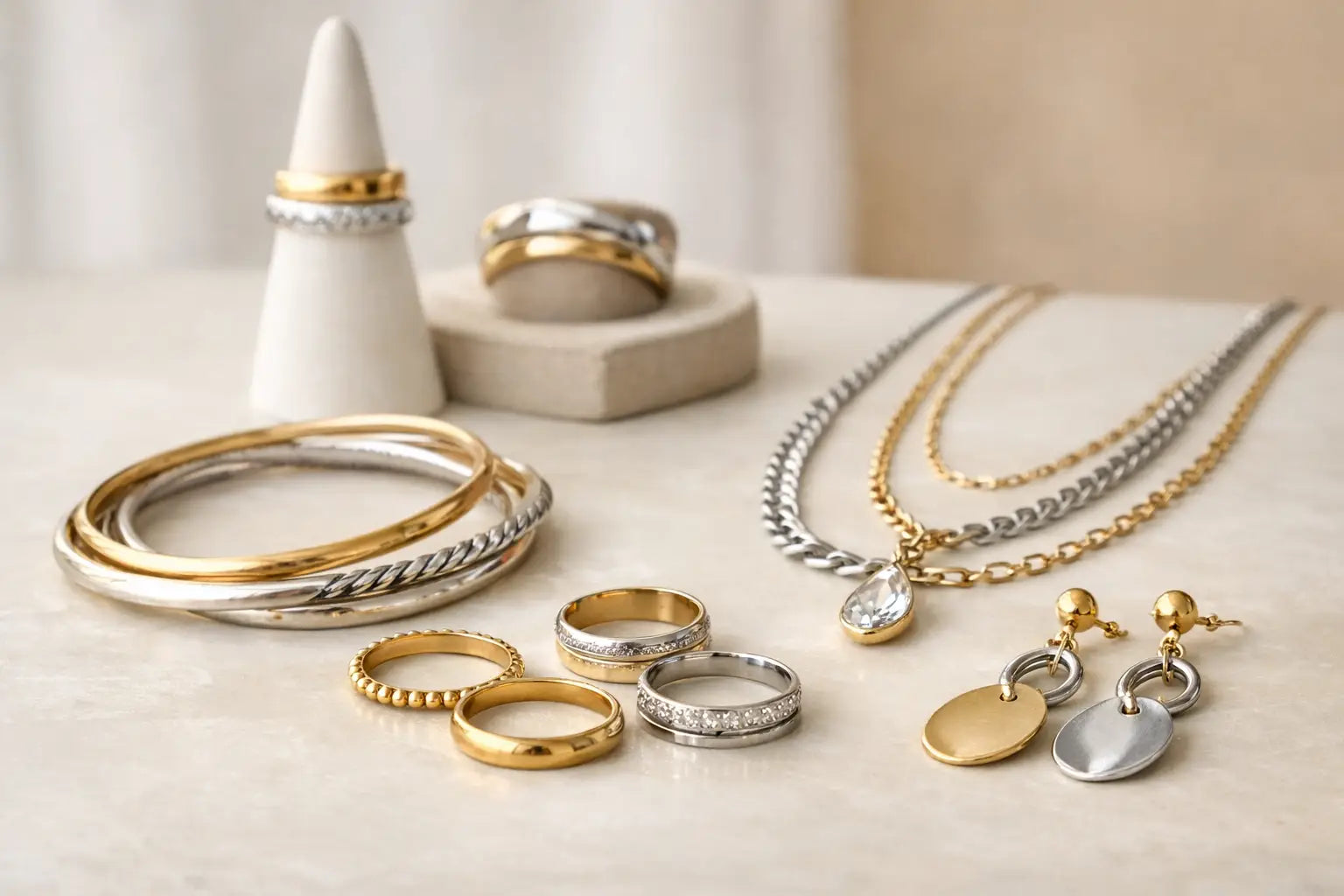
The old rule that jewellery metals should always match feels dated the moment you see a warm gold chain sitting against a cool silver bangle and realise the contrast is what makes the look. Knowing how to style mixed metals is less about following a formula and more about creating balance, intention and a sense of personal polish.
Mixed-metal styling works because it adds dimension. Yellow gold brings richness, sterling silver offers brightness, white gold and platinum feel crisp and refined, and rose gold softens the overall composition. When these tones are combined thoughtfully, the result feels modern rather than accidental. Fine jewellery is particularly well suited to this approach because precious materials already carry an inherent sense of cohesion through craftsmanship, finish and quality.
Why mixed metals look so current
Wearing one metal from head to toe can be beautifully classic, but mixing metals gives jewellery a more collected, individual character. It suggests a wardrobe built over time rather than assembled in a single purchase. That is often where true elegance lives - in pieces that feel personal, not overly prescribed.
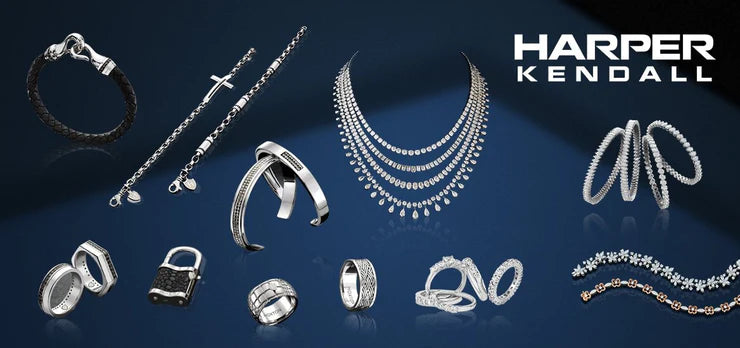
There is also a practical advantage. Most jewellery collections develop gradually, often through milestone gifts, travel finds, heirloom pieces and personal investments. A wedding band in platinum, a favourite 9ct gold necklace, sterling silver hoops and a diamond tennis bracelet should not have to live in separate style categories. Once you understand proportion and placement, they can work together with remarkable ease.
How to style mixed metals without it looking random
The difference between deliberate styling and a look that feels scattered usually comes down to repetition. If you wear yellow gold in one place and silver in another, the eye may read it as unfinished. Repeat each tone at least twice and the look starts to feel composed.
For example, if you choose a yellow gold chain necklace, echo that warmth with a gold ring or bracelet. If you add silver earrings, bring silver back in through a watch, stack ring or bangle. This creates rhythm across the body, which is what makes mixed-metal dressing feel considered.
Scale matters too. Combining delicate pieces with equally delicate pieces is usually the easiest starting point. A fine gold chain, a slim platinum ring and small silver hoops feel naturally harmonious. If you prefer statement jewellery, keep one feature dominant and let the rest support it. A bold mixed-metal cuff can sit beautifully with understated rings and earrings, while a heavier chain stack may call for cleaner, quieter pieces elsewhere.
Choose a visual anchor
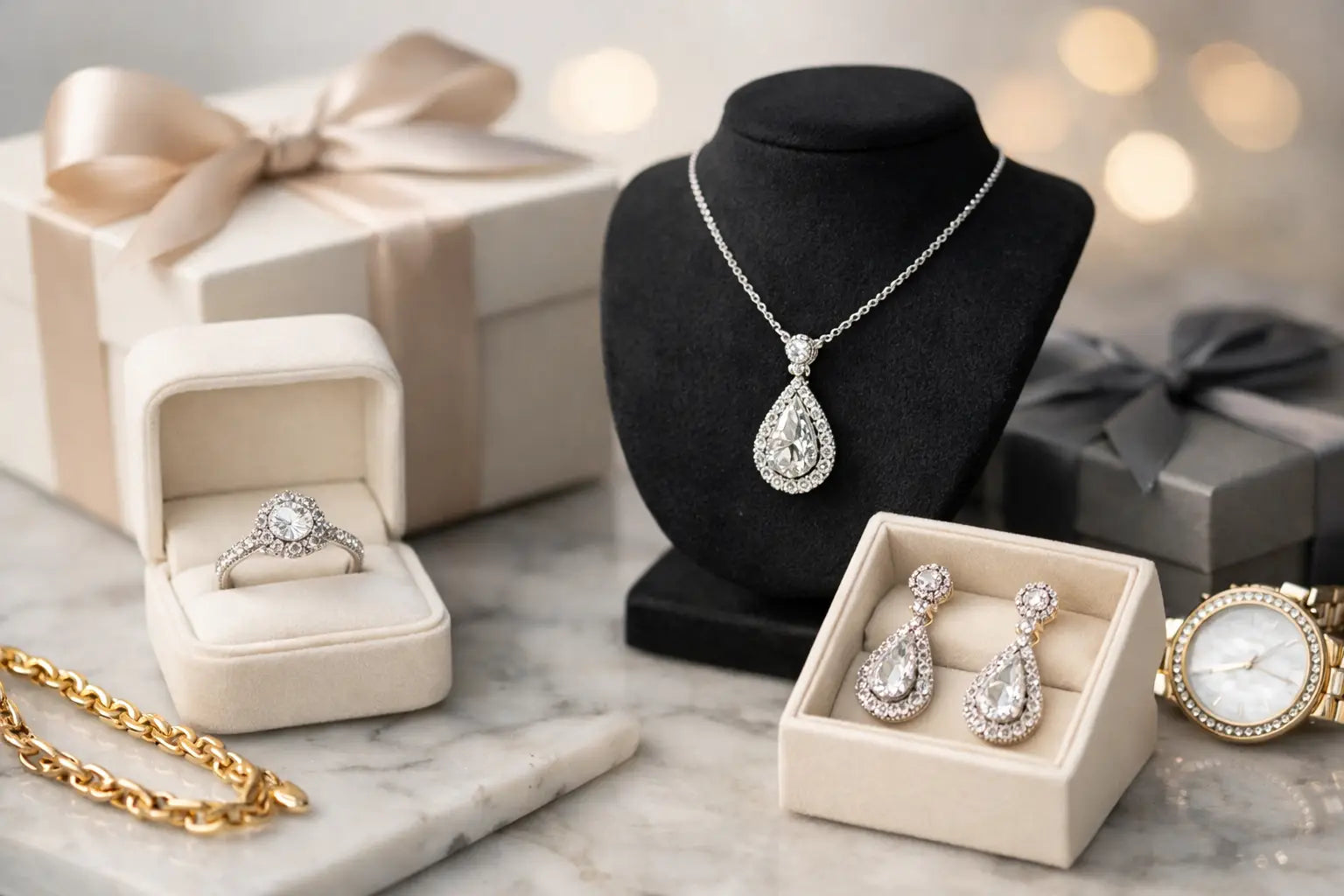
One strong way to organise mixed metals is to begin with an anchor piece. This might be a watch with both silver and gold tones, a diamond ring set in white metal beside a yellow gold band, or a pendant that combines different finishes. Once you have that bridge, the rest of the styling feels intuitive because the piece has already done some of the visual work for you.
Diamond jewellery is especially effective here. Diamonds tend to unify different metal tones because the stones introduce light and clarity between them. A diamond-set necklace in white gold can sit alongside yellow gold chains without tension, while a diamond ring stack can soften the contrast between platinum and rose gold.
Keep undertones in mind
Not all metals behave in exactly the same way. Bright sterling silver has a slightly different presence to platinum. Rich 18ct gold reads deeper than lighter 9ct gold. Rose gold can either blend quietly into a stack or become the softest focal point, depending on the surrounding pieces.
This is where finish becomes relevant. Highly polished metals feel cleaner and more formal. Textured or brushed finishes feel more relaxed and design-led. If your jewellery shares a similar finish, mixing tones becomes easier because the pieces already have one thing in common. If the finishes are very different, the look can still work, but it helps to keep the silhouettes more restrained.
Mixed-metal necklace styling
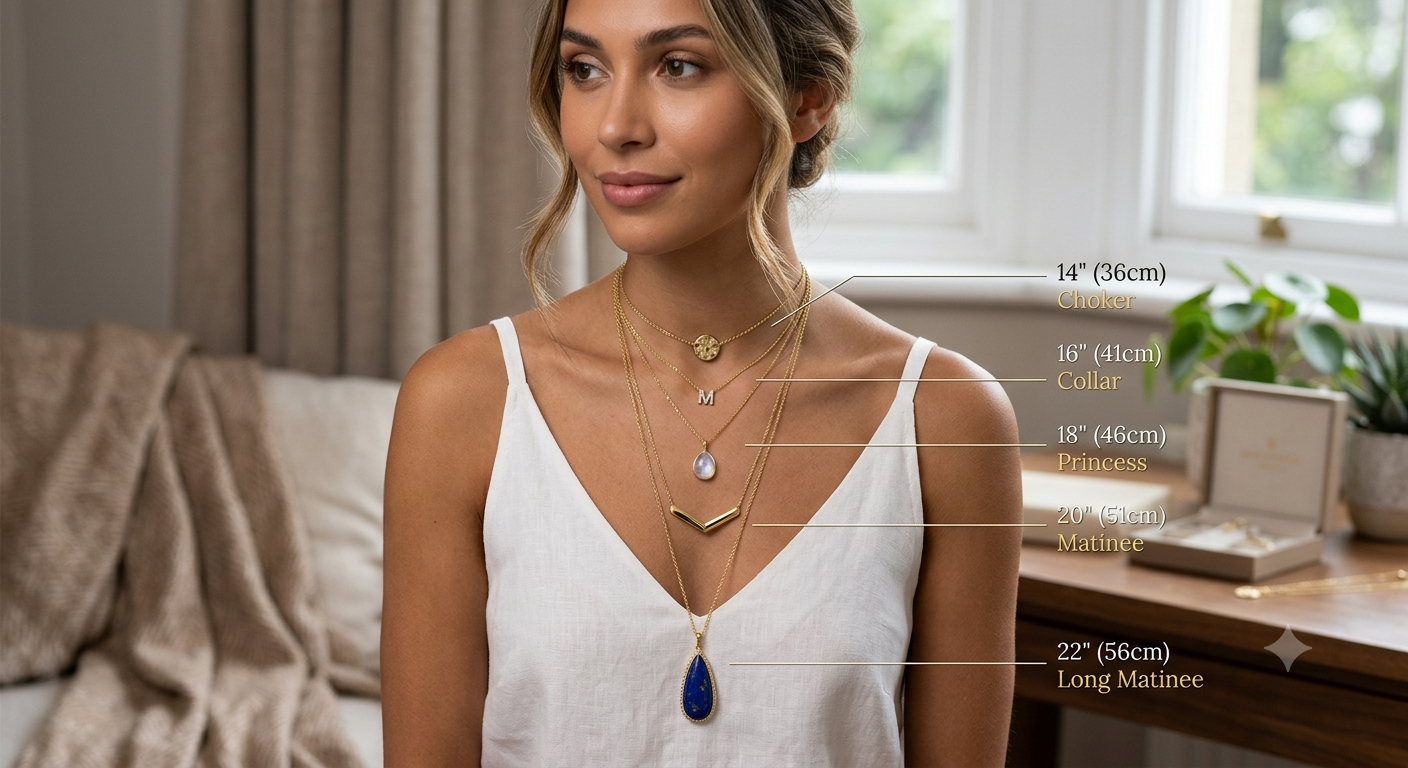
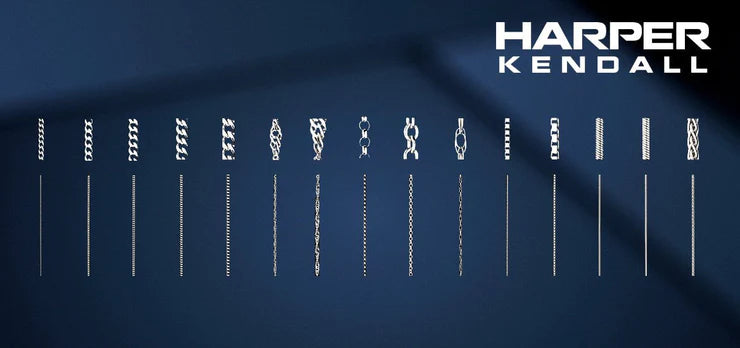
Layered necklaces are often the simplest place to experiment. Start with two or three chains of slightly different lengths and combine tones with intention rather than symmetry. You might wear a shorter silver chain close to the neck, a mid-length yellow gold pendant, and a longer fine chain in white gold or platinum. The variation in length helps each piece breathe, while the repeated contrast gives the stack structure.
If you want a more understated finish, keep the pendant count minimal. One pendant usually creates more elegance than several competing motifs. A plain chain paired with a diamond-set necklace in another metal often feels enough.
Necklines matter. Open necklines naturally lend themselves to layering, while higher necklines can benefit from one more decisive piece. On a shirt or knit, a mixed-metal chain stack peeking through the collar looks polished and effortless, especially when echoed by rings or bracelets in the same tones.
Rings, bracelets and everyday stacking
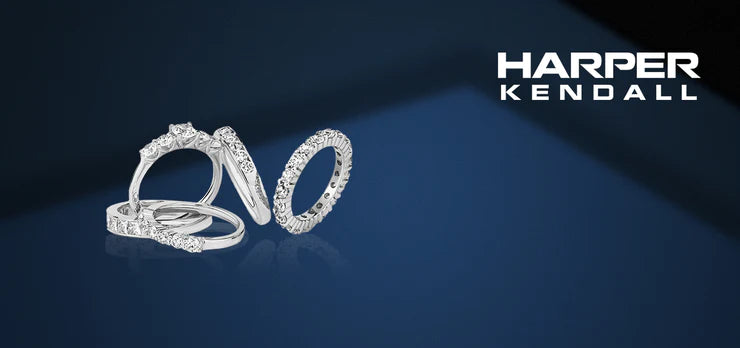
Hands and wrists are where mixed metals often look most natural because stacks are built piece by piece. A yellow gold band next to a platinum diamond ring can feel quietly luxurious. Add a sterling silver ring with clean lines and the combination becomes more contemporary.
The key is spacing and proportion. If every ring is a different width, shape and finish, the stack can become visually busy. Usually it is better to vary one element at a time. Perhaps keep the bands slim and alter the metal, or keep the metal mix subtle and vary the profile with one signet, one diamond-set ring and one plain band.
Bracelets benefit from the same discipline. A rigid bangle beside a softer chain bracelet creates pleasing contrast, and mixing metals here tends to look sophisticated rather than forced. If you wear a watch, consider it part of the composition. A watch often acts as the grounding piece that makes the rest of the wrist stack feel complete.
Earrings and facial framing
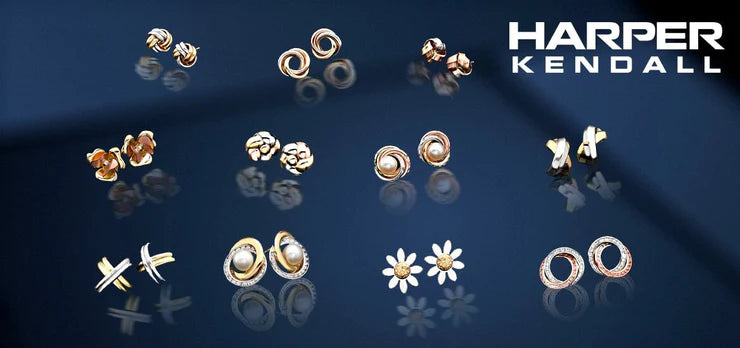
Earrings can either quietly support a mixed-metal look or sharpen it. If your necklaces and rings already include several tones, simple earrings may be the most elegant choice. Small hoops, diamond studs or refined drop earrings in a complementary metal provide balance without overcrowding the face.
If you wear multiple piercings, alternating metals can look beautifully curated. The trick is to treat the ear as its own story. Instead of placing every metal at random, repeat shapes or stones so the styling still feels connected. For instance, yellow gold huggies with white metal diamond studs create contrast, but the repeated scale keeps the arrangement refined.
When to keep it subtle and when to be bolder
Some occasions invite a lighter touch. For work, everyday wear or events with a polished dress code, mixed metals often look best when the contrast is elegant but not loud. Think two tones, slim profiles and a clear focal point.
For evenings, celebrations or fashion-led styling, you can push the mix further. Chunkier chains, sculptural cuffs, stacked bands and layered earrings create a stronger statement. Even then, the most elevated looks still rely on editing. If everything is bold, nothing stands out.
There is also an outfit question. Cool neutrals such as black, charcoal, navy and white make mixed metals look crisp and intentional. Cream, camel and chocolate tones bring out the warmth of gold and rose gold. Prints and embellishment can work too, but they tend to leave less room for complex jewellery layering. In those cases, one mixed-metal story is usually enough.
Common mistakes to avoid
The main mistake is wearing mixed metals apologetically, as if the pieces were never meant to be together. Confidence changes the whole effect. If the jewellery is well made and the styling is balanced, contrast reads as sophistication.
Another misstep is overcomplicating the look too early. If you are new to mixing metals, start with neighbouring categories such as rings and bracelets before moving into full necklace and earring combinations. It is easier to judge proportion on the hand and wrist than across the whole body.
Finally, pay attention to condition. Fine jewellery always looks more luxurious when it is clean and properly cared for. Different precious metals age in their own way, and a piece that needs polishing can throw off an otherwise refined combination.
A more personal way to wear fine jewellery
The beauty of mixed metals is that it makes room for individuality. It allows sentimental pieces to sit beside newer acquisitions, classic silhouettes to meet modern styling, and precious metals to complement rather than compete. At Harper Kendall, that design philosophy feels especially relevant because the most memorable jewellery wardrobes are never entirely uniform - they are curated over time, with instinct and intention.
If you are deciding how to style mixed metals, begin with pieces you already love, repeat each tone with purpose, and let proportion guide you. The goal is not perfect matching. It is a look that feels elegant, self-assured and distinctly your own.