



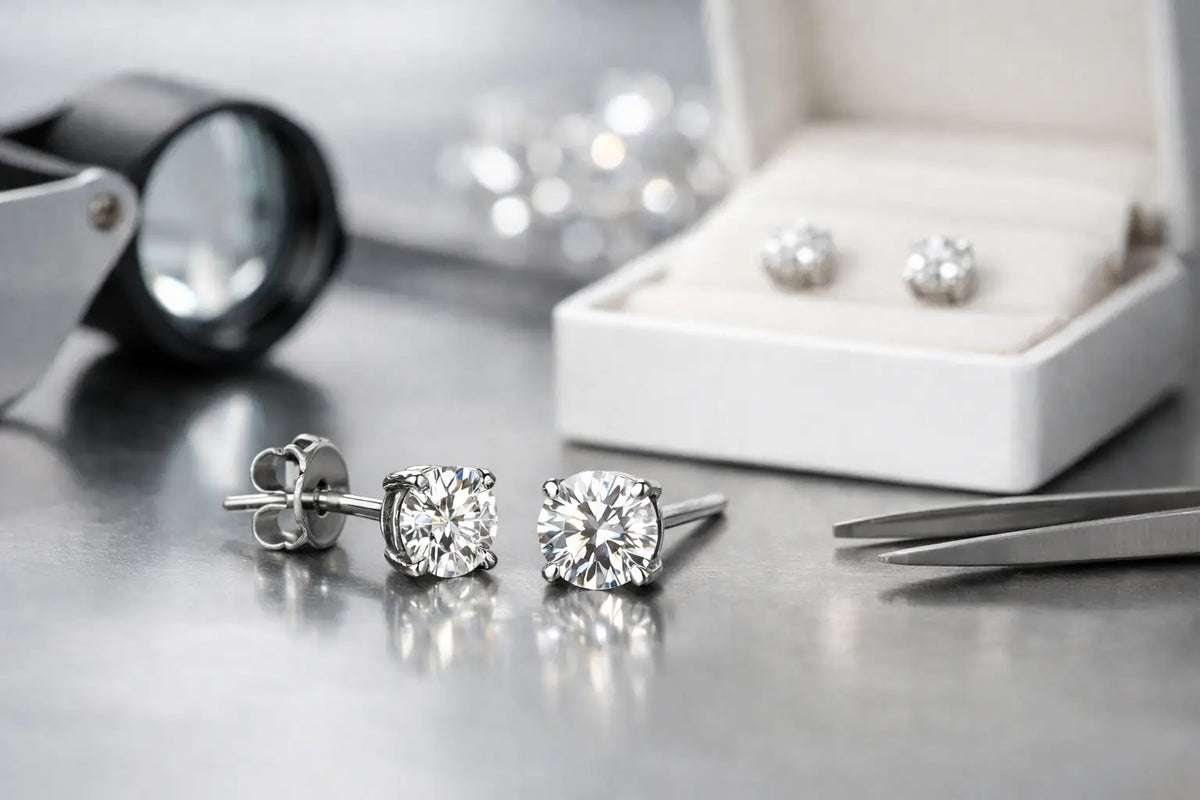
Lab Grown Diamond Earrings Review for Buyers
A beautifully chosen pair of diamond earrings should do more than catch the light. It should sit effortlessly within a wardrobe, frame the face with confidence and feel right for the moment it marks. This lab grown diamond earrings review considers the qualities that matter beyond the first sparkle: diamond character, craftsmanship, setting security and the considered details that turn an everyday piece into a lasting signature.
What Lab Grown Diamond Earrings Offer
Lab grown diamonds are real diamonds, formed from carbon under controlled conditions that replicate the forces involved in a diamond’s natural growth. Their optical, physical and chemical properties are the same as those of mined diamonds. They offer the familiar fire, scintillation and hardness associated with diamond jewellery, with each stone assessed on its own merits.
For many buyers, the appeal is creative freedom. A lab grown diamond can allow the visual impact of a more generous centre stone, a more intricate setting or a more considered matched pair to take centre stage in the design. That makes them particularly compelling in earrings, where balance and brightness are visible at a glance.
Yet the label alone is not a measure of beauty. Two lab grown diamonds with comparable stated grades can present differently when worn. Cut quality, proportions, transparency and the way stones have been paired all shape the final effect. Fine jewellery is never simply a specification on paper.
Lab Grown Diamond Earrings Review: Brilliance First
When reviewing diamond earrings, cut deserves the closest attention. It determines how light enters the stone and returns to the eye, creating the crisp flashes and lively movement that make diamonds so captivating. For studs, where the diamonds are often viewed face-on, a well-cut round brilliant offers exceptional sparkle and a classically polished appearance.
Other shapes bring a different kind of elegance. Oval, pear and marquise diamonds can create a lengthening line along the ear, while emerald and radiant cuts feel more architectural. Cushion cuts soften the look with a romantic, gently rounded profile. None is inherently superior. The right choice depends on whether your style leans towards timeless symmetry, modern geometry or a more individual silhouette.
Colour and clarity should be considered with the setting and the viewing distance in mind. In a small earring, tiny inclusions are often impossible to see without magnification. A stone that is eye-clean and bright when worn can be a more intelligent choice than pursuing technical perfection that does not alter the visual result. Likewise, near-colourless diamonds may look beautifully white once set in 18ct yellow gold, where the warmth of the metal is part of the design language.
For a refined pair, matching matters. The two diamonds should look harmonious in size, shape, colour and overall brilliance. Exact measurements, not only carat weight, are useful here. Carat is a measure of weight, while millimetre dimensions reveal how large the stones will appear on the ear.
The setting changes the diamond’s personality
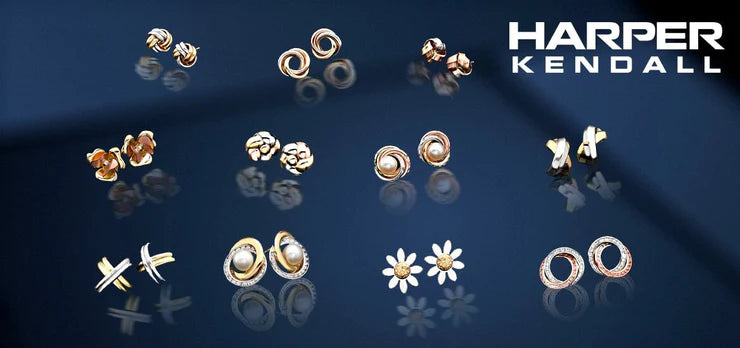
A solitaire stud in a four-claw setting is enduring for good reason. It allows light around the diamond, presents a clean profile and moves easily from office tailoring to evening dress. A bezel setting offers a sleeker, more contemporary finish, surrounding the stone with a fine rim of precious metal. It can feel especially elegant for daily wear and gives the diamond a graphic, modern outline.
Halo earrings provide a more expressive look, using a surround of smaller diamonds to enhance light and presence. For a subtler alternative, pavé-set huggies or diamond hoops distribute sparkle along the ear rather than concentrating it in one point. They are ideal for those who enjoy a layered ear look or want a piece that feels polished without being overly formal.
The practical detail is the earring back. Butterfly backs are familiar and easy to wear, while screw backs add reassurance for valuable studs. Hinged hoops should close decisively and sit comfortably without pinching. A well-made setting is not merely decorative; it protects the stones and ensures the earrings wear as beautifully as they photograph.
Choosing Metal for Everyday Elegance
The metal is central to both style and longevity. 18ct gold brings a rich, luxurious colour and is a natural choice for a more elevated finish. White gold offers a cool, bright setting that blends visually with colourless diamonds, while yellow gold creates a warm contrast that feels classic yet current. Rose gold lends softness and can make a pair of simple studs feel more personal.
Platinum has a naturally white tone and satisfying weight, with a reputation for durability that suits jewellery intended for frequent wear. Its metal can develop a gentle patina over time, a feature some people cherish as part of the piece’s story. Sterling silver can provide a lighter, contemporary expression, although diamond-set earrings designed as enduring fine jewellery are often chosen in gold or platinum.
Consider your existing jewellery, but do not feel bound by it. Mixed metals can look intentional when the proportions are balanced. If your favourite watch is yellow gold but you prefer the icy clarity of white metal around diamonds, a white gold or platinum earring can provide an elegant contrast rather than a clash.
Certification, Disclosure and Buying Confidence
A considered review should include the documentation behind the sparkle. Lab grown diamonds should be clearly disclosed as such, and significant stones are commonly accompanied by an independent grading report identifying their laboratory origin and recording key characteristics. Review the report details alongside the actual product description, especially the diamond shape, dimensions, cut information, colour and clarity.
For earrings with multiple smaller diamonds, an individual report for every stone may not be practical. In these designs, the quality of the finished piece becomes especially important: consistent colour across the setting, neat pavé work, secure claws and an even, comfortable fit.
Look, too, for clear information on metal fineness and hallmarking. In the UK, hallmarks offer valuable assurance about precious metal content. A jewellery house should be able to explain the materials used, the construction of the setting and the care the piece will require. This is where thoughtful service matters as much as technical detail.
The Trade-Offs Worth Knowing
Lab grown diamond earrings are an excellent choice for buyers focused on beauty, design and the pleasure of wearing real diamonds. They may not suit someone who places primary importance on the rarity narrative associated with diamonds formed deep within the earth over immense time. Both preferences are valid, but they speak to different reasons for buying jewellery.
It is also wise to separate emotional value from resale expectations. Fine jewellery can become deeply valuable through craftsmanship, memories and the role it plays in a personal collection, but market values can change and should not be assumed. Choose earrings because you will wear and love them, not because of a promised future outcome.
There are environmental considerations too, but broad claims deserve care. Laboratory production requires energy, and its impact can vary according to the processes and energy sources involved. If this is a deciding factor, ask clear questions about sourcing and production rather than relying on generalised language.
How to Select the Right Pair
Begin with the life the earrings will lead. For a first diamond purchase, round brilliant studs in a secure setting are remarkably versatile and retain their relevance through changing trends. For a birthday, anniversary or personal milestone, a distinctive shape, halo or diamond hoop can capture a more expressive point of view.
Think about scale in relation to your features and habits. A delicate stud can feel beautifully intentional and is effortless to sleep in or wear beneath hair. A larger pair creates immediate presence, particularly with swept-back hair or an evening neckline, but may feel less discreet for every day. Trying on comparable dimensions, or using a measured guide, is often more revealing than carat weight alone.
Finally, consider whether the design leaves room for your individuality. A pair of lab grown diamond earrings can be the quiet finishing touch to a white shirt and tailored blazer, or the first element in a curated ear story. Harper Kendall approaches fine jewellery as an expression of personal style, with craftsmanship and proportion at the heart of every considered choice.
A diamond earring should feel as natural on an ordinary Tuesday as it does at a celebration. Choose the pair whose light, line and workmanship invite you to reach for it often - that is the review that matters long after the jewellery box is closed.