
Can You Wear Platinum Daily? A Refined Guide
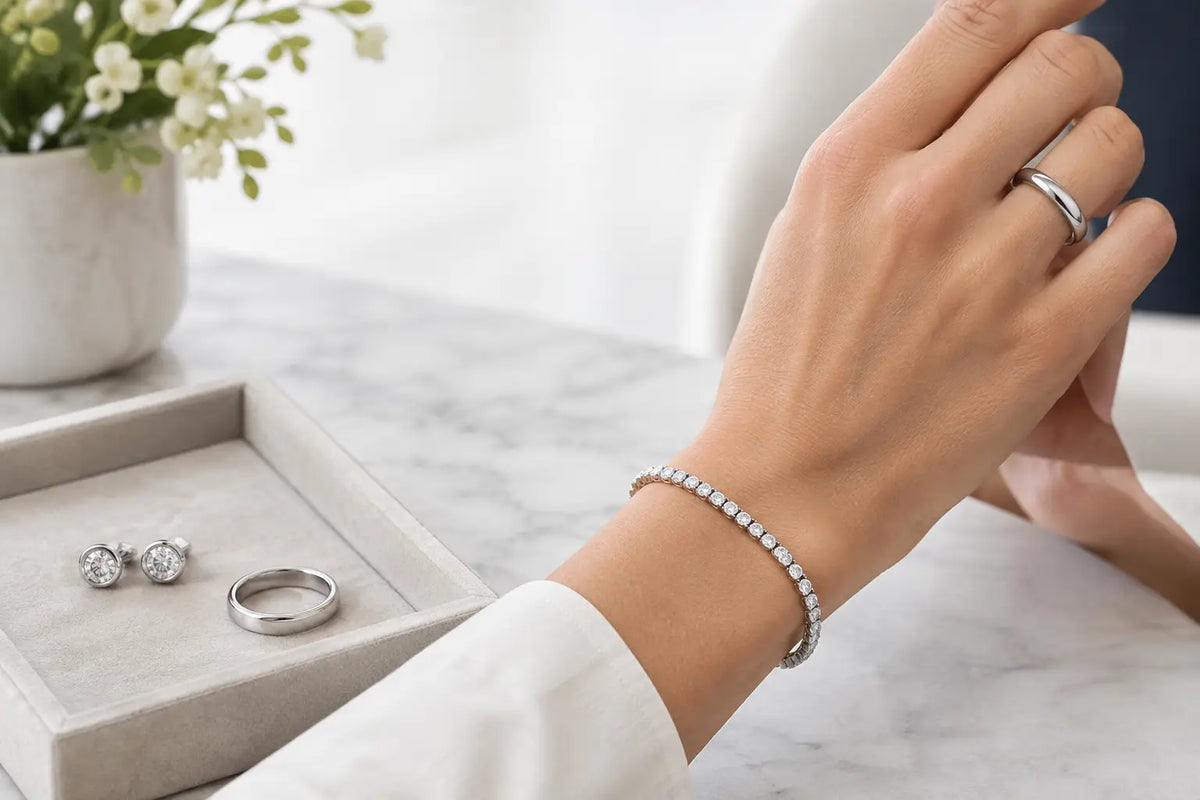
A platinum ring becomes part of the rhythm of your hand: catching the morning light on a coffee cup, resting against a steering wheel, and accompanying every small gesture in between. So, can you wear platinum daily? Absolutely. It is one of the most considered choices for jewellery intended to be worn often, particularly engagement rings, wedding bands and meaningful pieces made to stay close.
Its appeal is not simply its prestige. Platinum has a naturally white finish, a satisfying weight and an enduring presence that complements diamonds, coloured gemstones and clean, sculptural designs. Yet daily wear is not the same as indestructibility. Understanding how platinum responds to life allows you to choose and care for it with confidence.
Can You Wear Platinum Daily Without Damaging It?
Platinum is exceptionally well suited to daily wear. It is dense, durable and resistant to tarnish, so it retains its naturally white character without the need for a surface plating. This makes it a particularly elegant choice for a ring you never intend to take off, or for a pendant, bracelet or pair of earrings designed to become a signature.
There is, however, a distinction between durability and scratch resistance. Platinum can develop fine surface marks through normal wear, especially on polished rings and bangles. Rather than removing metal, these marks tend to gently displace it. Over time, the finish develops a soft, satin-like patina that many collectors and couples find deeply appealing. It gives the piece the character of a life well lived.
If you prefer a high-polish finish, a professional polish can restore brightness. If you love the quieter lustre that develops naturally, there is no need to alter it. Both are beautiful expressions of the same precious metal.
Why Platinum Is Made for Meaningful Everyday Jewellery
For pieces that carry emotional as well as aesthetic value, platinum offers reassuring substance. It is denser than gold, which gives a well-crafted platinum ring its distinctive, luxurious feel. Its cool white tone also enhances the crisp brilliance of white diamonds without competing with their colour.
This natural whiteness matters over years of wear. Some white gold jewellery is finished with rhodium plating to achieve its bright white surface and may require replating as it wears. Platinum’s colour belongs to the metal itself. A carefully made platinum design therefore maintains its elegant white appearance as part of its inherent character.
Platinum is also often selected for sensitive skin. High-purity platinum alloys are generally a thoughtful option for those who find some jewellery metals irritating. Individual sensitivities vary, so it is wise to confirm the specific alloy if you have a known metal allergy.
For engagement rings and wedding bands, platinum has another practical virtue: its strength makes it an excellent setting metal for diamonds. Fine claws can be crafted to hold a stone securely while preserving an elegant, refined profile. The setting should still be inspected periodically, particularly if the ring is worn every day, but platinum provides a distinguished foundation for precious stones.
The patina is part of the design story
A mirror-polished platinum band looks pristine on the day it is chosen. Months later, its surface may carry the subtle, silken texture of everyday life. Neither stage is superior. The choice is personal.
Those drawn to sleek, immaculate lines may arrange occasional refinishing. Those who value a more individual finish may allow the patina to evolve. For a bespoke piece, this is worth discussing from the beginning: the profile, finish and placement of diamonds can all be chosen with your everyday lifestyle in mind.
When to Take Platinum Jewellery Off
Platinum is precious and enduring, but it should not be treated as workwear. The sensible rule is simple: remove it when the activity creates a realistic risk of impact, abrasion, residue or snagging.
Take rings and bracelets off for weight training, gardening, DIY, contact sport and tasks involving tools. A hard knock can affect gemstones or settings, regardless of the metal surrounding them. It is also best to remove jewellery before swimming, particularly in chlorinated pools, and before using household cleaning products.
Lotions, sunscreen, soap and cosmetics will not tarnish platinum, but they can leave a film that softens the sparkle of diamonds and gemstones. Put jewellery on after applying fragrance and skincare, then remove it before a long shower, bath or at-home beauty treatment. These small habits preserve the clarity and polish of the piece.
Necklaces and earrings generally face fewer impacts than rings, although chains should be taken off for sleep, exercise and any activity where they could catch. A delicate platinum chain deserves the same thoughtful handling as any finely crafted piece of jewellery.
Platinum, Gold and the Reality of Everyday Wear
The best daily-wear metal depends on the piece and the person wearing it. Platinum is prized for its weight, naturally white hue and ability to develop a graceful patina. It is an especially natural choice for diamond solitaire rings, wedding bands and heirloom designs where longevity is central to the brief.
Gold offers a different expression. Yellow gold brings warmth and classic richness, while rose gold offers a softer, more romantic tone. Different gold carats and alloys can vary in hardness, so some gold pieces may resist superficial scratching differently from platinum. This does not make one metal universally better than another. It comes down to colour, design, lifestyle and the feeling you want the jewellery to convey.
Platinum is also denser, so a substantial design can feel noticeably weightier on the hand or wrist. Many people consider this part of its luxury. Others may prefer the lighter feel of gold for larger earrings, wide bands or layered necklaces. The most successful choice is one you will enjoy wearing, not simply one that performs well on paper.
Caring for Platinum at Home
Platinum needs no complicated routine. Gentle, consistent care will keep it looking luminous between professional checks. Soak the piece briefly in warm water with a small amount of mild washing-up liquid, then use a very soft toothbrush to clean around the setting and underneath stones. Rinse carefully and dry with a soft, lint-free cloth.
Avoid harsh cleaners, abrasive pastes and home polishing products. These can affect gemstones, create uneven finishes or leave residue in intricate settings. If a diamond ring appears less brilliant than usual, the issue is often everyday build-up rather than a problem with the diamond itself.
Store platinum jewellery separately when it is not being worn. A lined jewellery box or soft pouch helps prevent pieces rubbing against one another, especially where diamonds, gemstones or polished surfaces are involved. Chains should be fastened before storage to reduce tangling.
Professional checks protect what matters most
For diamond-set platinum rings worn every day, arrange a professional inspection at least once a year. A jeweller can examine claws, settings and the overall condition of the piece, then clean it professionally if required. This is particularly worthwhile after a significant knock or if a stone feels loose, catches on fabric or sits differently in its setting.
A professional can also advise whether a polish is appropriate. Over-polishing is unnecessary, especially if you enjoy platinum’s patina, but occasional refinishing can be a considered way to revive a bright finish for a wedding, anniversary or other special occasion.
Choosing a Platinum Piece You Will Wear Often
Daily wear begins with proportion and craftsmanship. A ring with a low, secure setting is often more practical for hands-on routines than a very high-set design. Rounded edges can feel comfortable, while a profile that suits your fingers and lifestyle will make the piece feel natural from the first day.
Consider how the jewellery will live alongside your existing collection. Platinum’s white tone works beautifully with diamonds and cool-toned gemstones, but mixed-metal styling can be equally compelling. A platinum engagement ring beside a yellow gold wedding band creates contrast with intention, while platinum earrings offer a discreet, polished finish for every wardrobe.
For a personal piece, bespoke design offers the freedom to balance beauty with reality. The scale of a centre stone, the height of the setting, the thickness of a band and the choice of finish can all be tailored to how you work, travel and move through the day. That is the art of beautiful design: jewellery that feels exceptional, yet belongs effortlessly to you.
Platinum is not jewellery to save for a distant occasion. Chosen with care and worn thoughtfully, it is made to collect the quiet marks of your story while remaining as refined as the moment you first put it on.